
Why Women Store More Fat on Their Hips: The Science Behind Hip Fat, Fat Deposition & Cellulite
Have you ever wondered why most women tend to store fat around their hips, thighs, and glutes—even when they're active and eating well? Or why cellulite appears in these areas despite regular exercise? The answer isn't simply "too much fat." It's a combination of biology, hormones, genetics, and the way the female body is designed. In this article, we'll explore the science behind hip fat, female fat deposition, and cellulite, while separating facts from common myths.
RAJU SHARMA(SPECIALIST OF DISEASE MANAGEMENT)
5/10/20264 min read
What Is Fat Deposition?
Fat deposition is the process by which your body stores excess energy in the form of fat (adipose tissue).
Your body stores fat for several important reasons:
Energy storage
Hormone production
Protection of organs
Insulation
Reproductive health
Where your body stores fat depends on factors such as:
Genetics
Hormones
Age
Sex
Lifestyle
Overall body fat percentage
This is why men and women store fat differently.
Why Do Women Store More Fat on Their Hips?
Women naturally store more fat in their hips, thighs, and buttocks because of estrogen, the primary female sex hormone.
This fat distribution pattern is known as gynoid fat distribution, or the "pear-shaped" body pattern.
Unlike men, who usually store more fat around the abdomen (android fat distribution), women are biologically programmed to store fat in the lower body.
This is an evolutionary adaptation that supports:
Pregnancy
Breastfeeding
Fertility
Healthy hormone production
Energy reserves during times of increased nutritional demand
In other words, hip fat is a normal and healthy part of female physiology.
Why Is Hip Fat So Difficult to Lose?
Many women notice that belly fat disappears before hip or thigh fat.
This happens because fat cells in different parts of the body respond differently to hormones.
Hip and thigh fat contains a higher number of alpha-2 adrenergic receptors, which slow down fat breakdown.
Abdominal fat generally contains more beta receptors, making it easier to release stored fat during weight loss.
This is why:
Spot reduction doesn't work.
Hundreds of side leg raises won't specifically burn hip fat.
Fat loss occurs across the entire body—not from one targeted area.
What Is Cellulite?
Cellulite is the dimpled or "orange peel" appearance of the skin that commonly develops on the:
Hips
Thighs
Buttocks
Lower abdomen
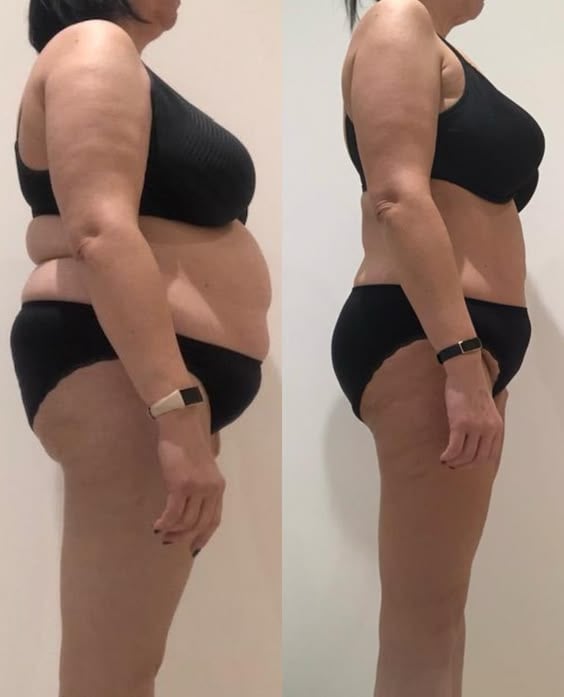
Around 80–90% of women develop cellulite after puberty, making it one of the most common cosmetic concerns worldwide.
Despite popular belief, cellulite is not simply excess fat.
It develops because fat pushes upward against the skin while connective tissue pulls downward, creating visible dimples.
Why Is Cellulite More Common in Women?
The biggest reason is connective tissue structure.
In women:
Collagen fibers run vertically.
Fat cells expand between these fibers.
The skin is pushed upward while connective tissue pulls downward.
The result is the characteristic dimpled appearance.
In men, collagen fibers form a crisscross pattern that holds fat more evenly beneath the skin, making cellulite much less common.
Does Being Overweight Cause Cellulite?
No.
Although excess body fat can make cellulite more noticeable, even lean women—including athletes and fitness models—can have cellulite.
This is because cellulite is influenced by:
Genetics
Hormones
Skin thickness
Collagen quality
Connective tissue structure
Age
Being fit doesn't automatically eliminate cellulite.
The Role of Hormones
Hormones strongly influence both fat deposition and cellulite.
Estrogen
Estrogen determines where women store fat and helps maintain healthy skin and connective tissue.
Changes in estrogen levels during pregnancy, menopause, or aging can make cellulite more noticeable.
Insulin
Chronically elevated insulin promotes fat storage, especially when combined with excess calorie intake.
Cortisol
Long-term stress increases cortisol, which may contribute to fat gain, muscle loss, and poorer body composition.
Genetics Play a Bigger Role Than You Think
Some women naturally have:
Thinner skin
Less collagen
Different connective tissue structure
More lower-body fat storage
If your mother or grandmother had noticeable cellulite, you're more likely to develop it too.
Genetics influence your body's blueprint—but healthy habits still make a difference.
Can Exercise Reduce Hip Fat?
Exercise cannot target hip fat specifically, but it can reduce overall body fat while improving muscle tone underneath the skin.
The most effective approach combines:
Strength Training
Focus on compound lower-body movements:
Squats
Romanian deadlifts
Hip thrusts
Bulgarian split squats
Walking lunges
Step-ups
These exercises build muscle, improve body shape, and enhance lower-body definition.
Cardio
Walking, cycling, swimming, jogging, and interval training increase calorie expenditure and support fat loss.
The best results come from combining cardio with resistance training and proper nutrition.
Can Nutrition Improve Cellulite?
There is no specific "cellulite diet."
However, good nutrition improves body composition and supports healthier skin.
Prioritize:
Lean protein
Fruits
Vegetables
Whole grains
Healthy fats
Plenty of water
Important nutrients include:
Protein
Vitamin C
Omega-3 fatty acids
Zinc
Copper
Avoid crash diets, as they often reduce muscle mass and can make cellulite appear more noticeable.
Do Cellulite Creams Work?
Most creams provide only temporary improvements by:
Hydrating the skin
Slightly tightening the skin surface
Reducing temporary fluid retention
They do not permanently remove cellulite.
Can Supplements Help?
Some supplements may support skin health, including:
Collagen peptides
Vitamin C
Protein powder (if dietary protein is insufficient)
Omega-3 fatty acids
These supplements work best alongside consistent exercise and a balanced diet—not as miracle solutions.
The Biggest Myths About Hip Fat & Cellulite
Myth 1: Hip fat is unhealthy.
Fact: Hip fat is a normal biological adaptation in women and plays important roles in reproductive health.
Myth 2: Squats burn hip fat.
Fact: Squats strengthen muscles but cannot selectively burn fat from the hips.
Myth 3: Only overweight women have cellulite.
Fact: Women of all body sizes can develop cellulite.
Myth 4: Cellulite means you're unhealthy.
Fact: Cellulite is extremely common and is not a sign of poor health.
Practical Tips to Improve the Appearance of Cellulite
If you want smoother-looking skin and better body composition:
Strength train at least 3–4 times per week.
Eat enough protein to support muscle growth.
Stay in a moderate calorie deficit if fat loss is your goal.
Drink enough water throughout the day.
Sleep 7–9 hours every night.
Manage stress effectively.
Be patient and stay consistent.
Remember, improving cellulite is about improving your overall body composition—not chasing quick fixes.
Final Thoughts
Hip fat, female fat deposition, and cellulite are all closely connected—and they're largely influenced by biology rather than willpower.
The female body is naturally designed to store more fat around the hips and thighs, and this doesn't mean you're unhealthy or doing something wrong.
Instead of searching for miracle creams or "spot reduction" workouts, focus on building muscle, eating a balanced diet, maintaining a healthy body fat percentage, and embracing sustainable habits.
At GetFitWithRaju, we believe in evidence-based coaching that helps you understand your body, not fight against it. With the right training, nutrition, and consistency, you can improve your body composition, feel stronger, and build confidence that lasts far beyond the number on the scale.